First Payment Date
Date the first regular mortgage payment is due after closing.
The first payment date is the date the first regular mortgage payment is due after closing.
Why It Matters
First payment date matters because borrowers often expect the first bill immediately after closing, but mortgage payment timing is usually tied to the loan’s billing cycle and interest collection rules.
It also matters because closing cash can include Prepaid Interest for the partial period before regular payments begin. That can make the first payment date feel later than expected without meaning the borrower received free time. Mortgage interest continues to be accounted for according to the loan documents; the timing is split between closing charges and the regular payment cycle.
Where It Appears in the Borrower Process
Borrowers encounter the first payment date in closing documents, the note, the first mortgage statement, welcome letters, and servicer instructions. The signed note is the key repayment document, while later servicing correspondence tells the borrower how and where to send the payment.
The term becomes practical when setting up autopay, budgeting after closing, and confirming where the first payment should be sent. A borrower should not assume that an automatic payment established with an old servicer, bank, or lender will transfer to a new mortgage account.
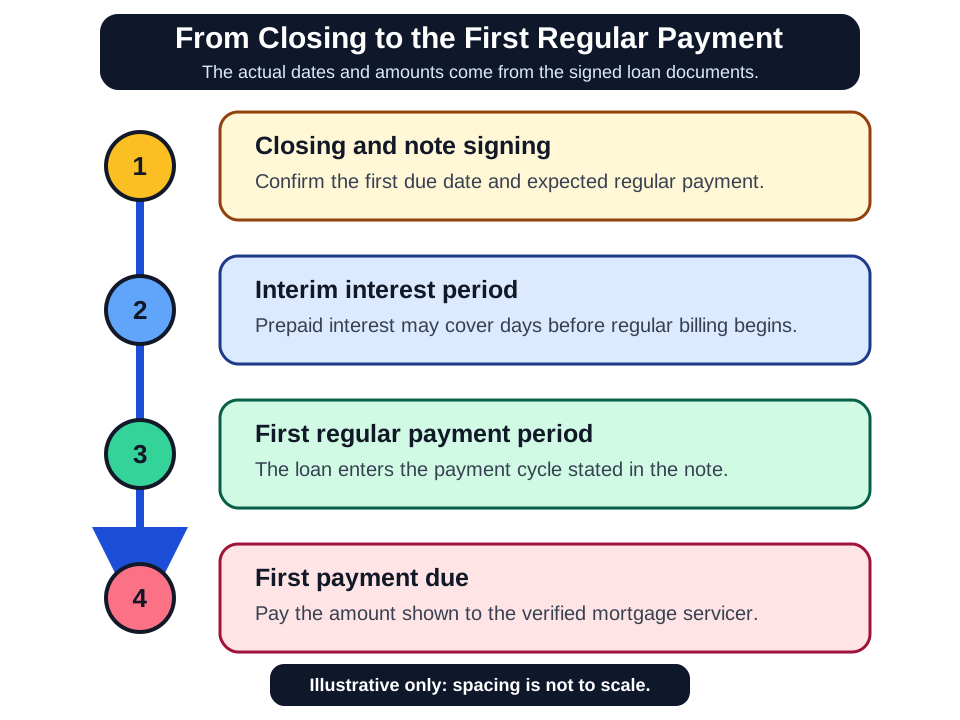
The exact dates depend on the loan documents and closing calendar. The diagram shows the relationship, not a universal number of days between events.
First Payment Date Compared with Nearby Dates
| Date label | What it usually tells the borrower |
|---|---|
| First payment date | When the first regular mortgage payment is due |
| Closing Date | When the transaction closes |
| Payment Due Date | Recurring due date for scheduled payments |
| Note Date | Date shown on the signed repayment obligation |
The first payment date may fall on the same day of the month as later recurring due dates, but it serves a distinct purpose: it starts the regular repayment schedule. The note should state both the first due date and the later recurring pattern.
Practical Example
A borrower closes on June 18 and sees prepaid interest collected for the applicable initial period. The note states that the first regular payment is due August 1. The borrower budgets for the August payment and confirms the payment destination from the servicer’s welcome materials.
The later due date does not create an interest-free July. Part of the timing is addressed through prepaid interest at closing, and the first scheduled payment follows the payment cycle stated in the note.
First-Payment Checklist
Before the due date, the borrower should confirm:
- the exact amount due, including any escrow portion
- the servicer name and verified payment address or portal
- the loan number needed to identify the account
- whether autopay is active and when it will draft
- whether an earlier payment sent to the lender was already forwarded or credited
Keep the closing copy of the note and the first mortgage statement. If the welcome letter and note show different payment dates or amounts, the borrower should resolve the discrepancy rather than guessing which instruction controls.
Servicing Transfers Near the First Payment
The company that originated the mortgage may not remain the Mortgage Servicer. If servicing transfers around the first due date, borrowers should verify notices carefully and use trusted contact information before sending money.
A transfer changes who collects and manages the payment; it does not create a new first payment date or erase the obligation. Keeping confirmation numbers and proof of payment makes it easier to correct a posting problem.
How It Differs From Nearby Terms
First payment date differs from Closing Date because closing date is when the transaction closes, while first payment date is when regular billing begins.
It differs from Payment Due Date because payment due date is the recurring monthly deadline, while first payment date is the first instance of that obligation.
It also differs from Prepaid Interest because prepaid interest is collected at closing for interim days before the regular payment cycle begins.
First payment date also differs from a grace-period endpoint. The payment is due on the stated due date; a Grace Period may affect when a late charge can be assessed, but it does not rewrite the contractual due date.
Related Terms
- Monthly Payment
- Payment Due Date
- Mortgage Statement
- Note Date
- Closing Date
- Prepaid Interest
- Autopay
- Mortgage Servicer
Knowledge Check
- Is the first payment date always the same as the closing date? No. The first payment date is when regular payment begins after closing.
- Why can the first payment date feel later than expected? Prepaid interest at closing may cover the interim period before the first regular billing cycle.
- Does a servicing transfer cancel or postpone the first payment? No. The borrower should verify the new payment destination, but the repayment obligation and due date remain in effect.